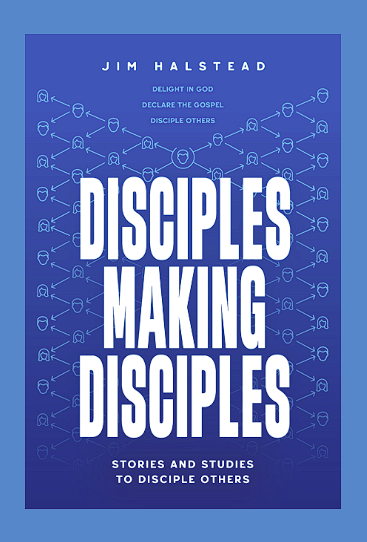

You’ve prayed for growth. You’ve preached the Great Commission. You’ve cast vision for evangelism and discipleship. Yet deep down, many pastors and church leaders wrestle with the same question:
Why does our church experience addition… but not multiplication?
The answer isn’t more programs.
It isn’t good marketing.
It isn’t even more passionate preaching.
The breakthrough lies in one foundational shift:
An intentional, systematic approach to equipping every believer as a disciple-maker.
When churches recover this biblical model, multiplication becomes not just possible -but inevitable.
The Multiplication Gap: Why Most Churches Plateau
Look at the typical church calendar:
- Spring outreach event
- Summer mission trip
- Fall evangelistic initiative
Each creates a burst of excitement. Some participate. A few new people join. But over time, the same core group carries the weight while most remain spectators in their spiritual journey.
This is the difference between addition and multiplication.
Addition Model
In an addition model:
- A few leaders or staff members do evangelism.
- Growth happens one person at a time.
- Capacity is limited.
- Leaders burn out.
Multiplication Model
In a multiplication model:
- Disciples make disciples.
- Every believer is equipped.
- Growth is exponential.
- The mission becomes sustainable.
The Great Commission doesn’t say “make converts.” It says to make disciples – teaching them to obey everything Jesus commanded, which includes making more disciples.
Multiplication is built into authentic discipleship.
So why don’t more churches experience it?
Because inspiration without implementation creates guilt, not growth.
People hear powerful sermons about evangelism. They feel stirred. But without practical training and structured support, they don’t know what to do next.
Shifting Church Culture: From Passive to Active Evangelism
Multiplication requires more than motivation. It requires culture change.
Instead of organizing your church around attendance and events, organize it around developing disciple-makers.
Instead of measuring success by how many people show up, measure it by how many people are actively making disciples.
This cultural shift affects everything:
- Staff meetings focus on multiplication metrics.
- Small groups practice sharing the gospel.
- Volunteer roles emphasize mission, not just maintenance.
- New members enter clear discipleship pathways.
But here’s the key insight:
Culture doesn’t change through announcements. It changes through systems.
If you want multiplication, you must build processes that:
- Train believers in practical evangelism skills
- Provide opportunities to practice
- Offer accountability and encouragement
- Create reproducible disciple-making frameworks
When this happens, evangelism becomes a lifestyle—not just a church event.
The Biblical Foundation for Multiplication
Multiplication is not a modern church growth strategy. It is the apostolic pattern.
In Ephesians 4, Paul explains that leaders exist to equip the saints for the work of ministry. That means ministry isn’t reserved for professionals. Every believer is called and equipped.
Jesus modeled this perfectly. Rather than trying to reach everyone personally, He invested deeply in twelve disciples. Those twelve multiplied His ministry across the known world.
The early church understood this instinctively. Every believer saw themselves as a missionary in their everyday context.
Contrast that with consumer Christianity today:
- Attend services.
- Receive spiritual teaching.
- Leave unchanged in mission.
Biblical Christianity looks different:
- Be equipped.
- Be deployed.
- Make disciples in daily life.
Multiplication begins when believers stop consuming and start participating.
The Compounding Power of Disciples Making Disciples
Multiplication follows exponential growth.
If one believer leads one person to Christ each year – and each new believer does the same – the growth curve quickly becomes remarkable.
But multiplication isn’t just about numbers.
It’s about:
- Transformation, not just information.
- Spiritual families, not just attendees.
- Ongoing accountability, not just one-time decisions.
Event-based evangelism creates spikes of activity.
Systematic disciple-making creates sustained growth.
When people experience the joy of leading someone to faith and walking with them in discipleship, enthusiasm spreads. Stories multiply. Mission becomes contagious.
But this only works if the process is simple and reproducible.
If disciple-making depends on a pastor’s charisma, it won’t scale.
If evangelism requires professional training, most won’t try.
Multiplication thrives on clarity and simplicity.
Evaluating Your Church’s Evangelism Effectiveness
Before building new systems, evaluate your current reality.
Ask honest questions:
- Can most members clearly articulate the gospel?
- How many have shared their faith in the last month?
- How many are actively discipling someone right now?
- What training exists for evangelism?
- What pathways move new believers toward making disciples?
Many churches have strong systems for attendance – but weak systems for multiplication.
This isn’t a failure of passion. It’s often a structural blind spot.
Clarity leads to action.
When you identify the gap between biblical calling and current practice, you can build bridges through intentional disciple-making systems.
From Vision to Implementation
Knowing multiplication is biblical isn’t enough. You need a plan.
Here’s a practical path forward:
1. Start with a Core Team
Identify faithful, teachable believers with a heart for evangelism. Train them intentionally.
2. Build Reproducible Frameworks
Create simple processes anyone can learn and teach. Avoid complexity.
3. Normalize Evangelism
Share testimonies. Celebrate gospel conversations. Make disciple-making ordinary.
4. Subtract to Multiply
Eliminate programs that drain energy but don’t produce disciple-makers.
Multiplication often requires subtraction.
When disciple-making becomes your organizing principle, everything changes.
Your Next Step Toward Church Multiplication
You stand at a crossroads.
You can:
- Continue managing growth through addition.
- Or implement systems that make multiplication inevitable.
Transformation doesn’t require perfection. It requires direction.
Start with evaluation. Get clarity on your current disciple-making health. Identify gaps. Create intentional training pathways. Establish accountability structures.
The world doesn’t need more church events.
It needs churches that take disciple-making seriously.
Multiplication isn’t mysterious. It begins with one decision:
Equip every believer to make disciples.
When that becomes your foundation, growth stops being something you try to manufacture – and starts becoming the natural outcome of obedience.
The question isn’t whether multiplication is possible.
The question is:
Will you take the first step this week to make it inevitable?