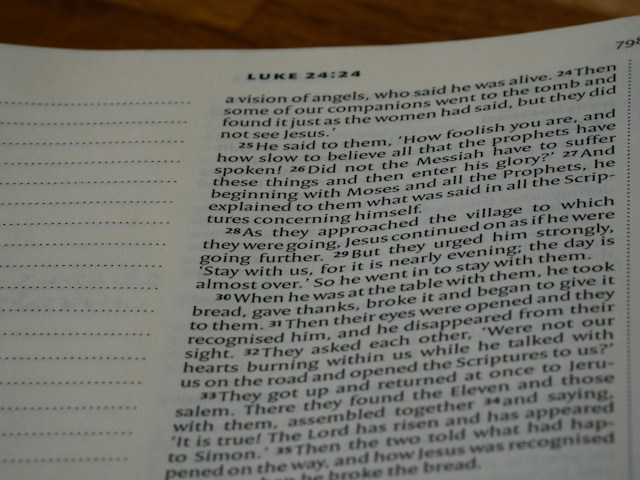
The difference between God saying, “I AM WHO I AM” in Exodus 3:14 and Paul saying, “By the grace of God I am what I am” in 1 Corinthians 15:10 is profound. Both statements speak about identity, but they reveal two very different truths about who God is and who we are in relationship to Him.
1. God says, “I AM WHO I AM” — Exodus 3:14

God spoke these words to Moses when He called him to lead the Israelites out of Egypt.
“And God said unto Moses, I AM THAT I AM: and he said, Thus shalt thou say unto the children of Israel, I AM hath sent me unto you.” — Exodus 3:14 (KJV)
What does God mean?
God is declaring His own divine identity. He does not depend on anyone or anything else to exist. He is eternal, self-existent, and faithful to His promises.
Consider these three truths:
- God is self-existent. No one created Him, and He depends on no one for His existence.
- God is eternal. His existence is not limited by time or circumstances.
- God is unchanging in His divine faithfulness. He remains true to His character and His promises.
God was telling Moses, in effect, that the One sending him was not an ordinary ruler or a temporary power. He was the living God who had heard His people’s cries and would act to deliver them.
The key truth: God does not receive His identity from anyone. He is God in Himself.
2. Paul says, “By the grace of God I am what I am” — 1 Corinthians 15:10
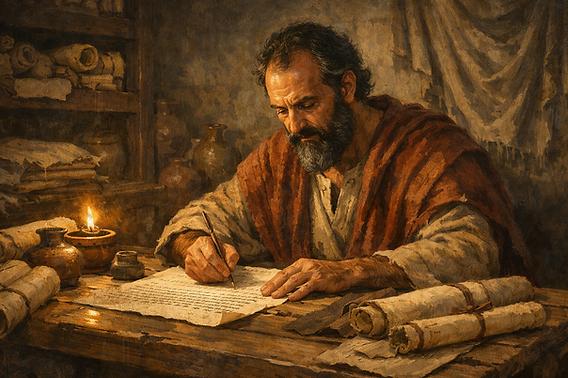
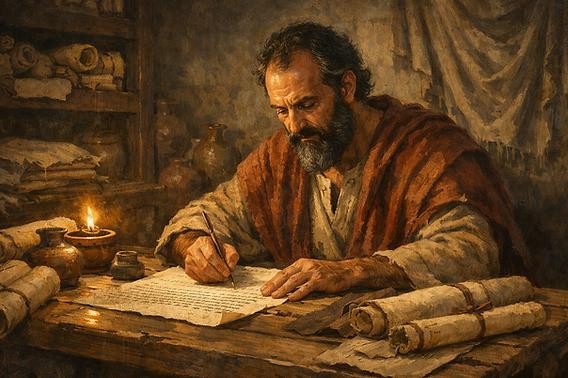
Paul writes:
“But by the grace of God I am what I am: and his grace which was bestowed upon me was not in vain; but I laboured more abundantly than they all: yet not I, but the grace of God which was with me.” — 1 Corinthians 15:10 (KJV)
Paul is not claiming to be God or saying that he possesses God’s self-existent nature. He is acknowledging that everything he has become as a servant of Christ is because of God’s grace.
Before becoming an apostle, Paul persecuted the church. But God changed the direction of his life and called him to proclaim the gospel.
Paul recognizes three things:
- His identity was transformed by grace. He became a servant of Christ because of God’s undeserved favor.
- His ministry came from God. His apostleship was not something he could boast about as though he had earned it.
- His labor depended on God’s grace. Although Paul worked diligently, he recognized that God’s grace was working through him.
Paul does not say, “I am what I am because of my own power.” He gives the credit to God.
The key truth: Paul is what he is because of what God has done in him and through him.
3. The difference between the two statements
God: “I AM WHO I AM.”
Exodus 3:14
God declares who He is in His own divine nature. He is the source of life and does not depend on anyone else to be God.
Paul: “By the grace of God I am what I am.”
1 Corinthians 15:10
Paul acknowledges who he has become through God’s undeserved favor. His identity and ministry are dependent on God.
The distinction is this:
| God | Paul |
| Exists in Himself. | Depends on God for life and calling. |
| Is the source of grace. | Is a recipient of grace. |
| Declares His divine identity. | Acknowledges God’s work in his life. |
| Needs no one to make Him God. | Cannot take credit for what grace has accomplished. |
4. What connects the two statements?
Here is a beautiful spiritual connection: God reveals who He is, and His grace shapes who we become.
In Exodus 3, God sends Moses to accomplish a divine purpose. Moses is not sufficient in himself for the task, but God promises His presence: “Certainly I will be with thee” (Exodus 3:12).
In 1 Corinthians 15:10, Paul recognizes that his own calling and labor are likewise made possible by God’s grace.
Both passages teach us not to rely merely on human strength.
- Moses needed God’s presence.
- Paul needed God’s grace.
- We need God to sustain us and enable us to fulfill His purposes.
However, there is an important distinction: God’s existence is independent; our existence and service are dependent on Him.
5. What does this mean for us today?
When you say, “By the grace of God I am what I am,” you are not declaring that you are equal to God. You are giving God the glory for what He has done in your life.
You are saying:
- I am saved because of God’s grace.
- I am being changed because of God’s grace.
- I can serve because of God’s grace.
- Whatever good God accomplishes through me, He deserves the glory.
This agrees with Ephesians 2:8–10, which teaches that salvation is by grace through faith and that we are created in Christ Jesus for good works.
Paul also makes clear that grace does not lead to laziness. He says he labored abundantly, yet he recognized that God’s grace was working with him.
Grace is not an excuse to do nothing; it is God’s undeserved favor that enables us to serve Him faithfully.
Final thought
God says, “I AM WHO I AM” because He is the eternal, self-existent God.
Paul says, “By the grace of God I am what I am” because he recognizes that his life, transformation, and ministry are gifts from that God.
One statement reveals God’s identity; the other acknowledges God’s grace at work in a human life.
And the lesson for us is this: We do not become who God calls us to be by our strength alone. We grow in faith, serve faithfully, and give Him the glory because His grace is at work in us.
As Paul says in 2 Corinthians 3:5:
“Not that we are sufficient of ourselves to think any thing as of ourselves; but our sufficiency is of God.”
God is the great “I AM.” By His grace, we can become what He calls us to be.