
Coffee Devo: A Spiritual Journey Through Luke 24
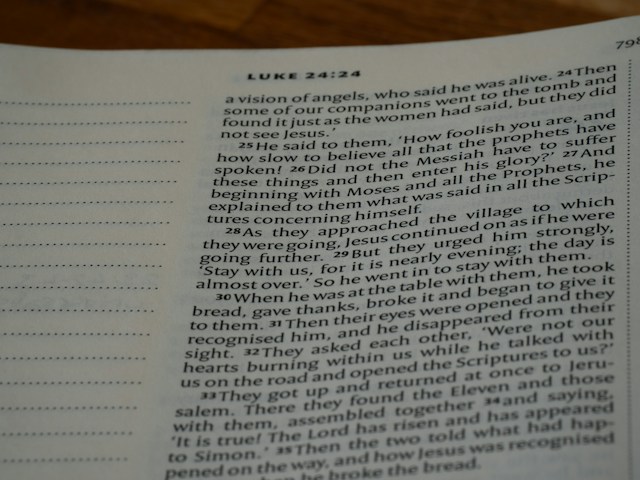
Reflecting on the story of the road to Emmaus from Luke 24, let’s delve into the profound insights from this passage and discover how it stirs our souls to draw nearer to God. The story of the road to Emmaus is a powerful reminder that Jesus meets us on our journey, opens our eyes to His Word, and draws our hearts closer to Him. The Road to Emmaus: A Story of Revelation The road to Emmaus isn’t just another biblical tale; it’s an invitation to experience the transformative power of Jesus Christ. Luke 24 narrates the encounter of two disciples with Jesus after His resurrection. As they were walking and discussing the recent events surrounding the crucifixion, Jesus appeared and joined their conversation. Yet, they did not recognize Him at first. “Were not our hearts burning within us while He talked with us on the road and opened the Scriptures to us?” — Luke 24:32 This question posed by the disciples speaks volumes about the profound impact Jesus has when He reveals Himself to us through God’s Word. Just as their hearts burned with divine recognition and understanding, so must ours as we dive deeper into the Scriptures. The road to Emmaus story reminds us that Scripture is more than words on a page. As we spend time in God’s Word, He can open our hearts and minds to understand His truth and draw us into a deeper relationship with Him. The Call of the Holy Spirit When the Holy Spirit speaks to us through God’s Word, He draws us closer, kindling a fervent desire within us. It’s not just about reading the words but experiencing them, allowing our hearts to ignite with passion for a deeper relationship with Christ. The Holy Spirit helps us understand and apply Scripture to our everyday lives. As we pray, read, and reflect on the Bible, we create space to hear from God and allow His truth to transform us. Drawing Near to God: A Biblical Invitation The Scriptures are clear: God desires a closer relationship with us. James 4:8 promises: “Draw near to God and He will draw near to you.” This isn’t merely a suggestion but a heartfelt invitation into His presence. Be encouraged to embrace this invitation by diving into God’s Word and spending intentional time with Him. The act of drawing near to God is a journey, one that involves trust, faith, and a willingness to explore the unknown depths of God’s love and wisdom. It’s about cultivating a daily habit of engaging with the Bible, allowing its truths to illuminate our path. How to Cultivate a Heart for God Creating a life-altering shift in how we approach Scripture can be both rewarding and challenging. Here are some practical ways to invite God to speak through His Word and cultivate a deeper relationship with Him: Going and Telling the Story: The Mission Be challenged to not only bask in the beauty of God’s Word but also to take action: to “go and tell the story of His glory.” Understanding the Scriptures compels us to share the good news, extending the invitation of freedom and redemption to others. The disciples on the road to Emmaus didn’t keep their encounter with Jesus to themselves. Their experience moved them to action. In the same way, our encounters with Christ and His Word should inspire us to share His love and grace with those around us. Living Out the Scripture Living out the message of Luke 24 means embodying the hope and joy of the resurrection. It’s a call to actively engage in our communities, to be beacons of light and testimonies of Christ’s transformative power. Faith is not simply about what we read or learn; it is about how we live. As we draw near to God and allow His Word to shape our hearts, our lives should reflect the hope, love, grace, and truth we have found in Christ. Conclusion: Is Your Heart Burning Within You? As we close this reflection on Luke 24 and the road to Emmaus, ask yourself: “Is my heart burning within me as I read the Scriptures?” If the answer is yes, let it drive you to a deeper commitment to Christ. If not, perhaps it’s time to invite the Holy Spirit to rekindle that passion. We’re reminded that walking with Jesus transforms us, an experience meant to be shared and not kept to ourselves. Let us be active participants in His story, ready to tell of His love and grace to a world in need. In this journey, remember: God’s Word isn’t just meant to be read; it’s meant to be lived. “Church, let’s go and tell the story of His glory.” — Pastor Jim May your journey with God be richly blessed, and may your heart continually be stirred by His enduring love.
Walking in Faith: Embracing Jesus’ Call to Follow

What does it really mean to follow Jesus? As we reflect on Matthew 4, we’re reminded that following Christ is about much more than simply saying the right words or believing the right things. Jesus calls us to something deeper, a life of repentance, obedience, discipleship, and action. I recently heard a powerful statement from an evangelist friend that challenged me: “Jesus never said, ‘Repeat after me.’ He said, ‘Repent and follow me.’” This simple yet profound statement invites us to reflect deeply on what it means to truly follow Jesus. Are we merely reciting words, or are we committed to a life of genuine repentance and discipleship? Following Jesus is not simply a statement we make. It is a life we choose to live. Jesus Calls Us to Repent Matthew 4:17 tells us that as Jesus began His ministry, He proclaimed: “Repent, for the kingdom of heaven has come near.” Repentance is an important part of following Jesus. It means more than recognizing that we have done something wrong. Genuine repentance involves turning away from sin and turning toward God. Jesus calls us to leave behind the things that separate us from Him and walk in a new direction. That can be challenging. We may be comfortable with our old habits, our own plans, and the way we have always done things. But following Jesus means allowing Him to lead us, even when that requires change. Repentance is not about trying to become perfect before we come to Jesus. It is about recognizing our need for Him and being willing to surrender our lives to His direction. “Come, Follow Me” A few verses later, Jesus gives His first disciples a simple but life-changing invitation: 19 And he said to them, “Follow me, and I will make you fishers of men.” – Matthew 4:19 I love the simplicity of this invitation. Jesus didn’t give Simon Peter and Andrew a complicated five-year plan. He simply called them to follow Him. And their response was immediate. Immediately they left their nets and followed him. – Matthew 4:20 That challenges me. What am I holding onto that Jesus is asking me to surrender? What would it look like for me to follow Him more completely? Following Jesus sometimes means leaving behind what is familiar so that we can step into what He has prepared for us. The disciples left their nets, their routines, and their old way of life. They followed Jesus because they trusted Him. An Invitation to Repentance and Action The heart of following Christ lies not in formulaic recitations but in a transformative relationship with Him.“Have you repented of your sins and are you following Him?” This reflective question shakes the very foundation of a lukewarm faith. It calls for action, urging us to not only believe but to also embody the teachings of Jesus. It is this full surrender that marks the beginning of true discipleship. Taking the Step From Following Jesus to Going and Telling There is another important part of Jesus’ call that I don’t want to overlook. Following Jesus naturally leads us toward others. We aren’t called to keep the good news of Jesus to ourselves. The more I understand what Jesus has done for me, the more I want others to know His love, grace, forgiveness, and hope. This is at the heart of the Go & Tell message. We are called to go and tell the story of His glory. Our testimony doesn’t have to be complicated. We simply share what Jesus has done in our lives and point others toward Him. Maybe someone around us needs to hear a word of encouragement. Maybe they need to know that forgiveness is possible. Maybe they are searching for hope. We may never know how God will use our willingness to speak. Walking in Faith Matthew 4 reminds us that Jesus still calls people to follow Him. His invitation is simple: Repent. Follow Me. Go and tell. So, as we continue with our journey of faith, we want to keep asking ourselves: Am I simply talking about Jesus, or am I truly following Him? And if I am following Him, am I willing to tell others what He has done? My prayer is that we would never become comfortable with a faith that exists only in words. Instead, may our lives demonstrate what it means to follow Jesus,to turn toward Him, trust Him, walk with Him, and share His story with others. Let’s go and tell the story of His glory.
Coffee Devo: Drawing Close to Jesus

What does it mean to follow Jesus closely? Discover lessons from Peter’s denial in Luke 22 and learn how prayer, Scripture, worship, and community help us draw closer to Jesus.
Embracing True Sacrifice: Lessons from 2 Samuel 24

Throughout Scripture, one truth appears again and again:True sacrifice always comes at a cost.In 2 Samuel 24, King David teaches us a powerful lesson about worship, obedience, and trusting God wholeheartedly. His story reminds us that following the Lord is not about offering what is easy, but about giving Him our very best. Pastor Jim recently shared this message during a conference in Davison, Michigan, encouraging believers to consider what genuine sacrifice looks like in our daily walk with Christ. As we explore this passage together, may we be challenged to examine our own hearts and deepen our commitment to the Lord. The Setting of 2 Samuel 24 The chapter begins with King David ordering a census of Israel and Judah. While counting the people may seem harmless, David’s decision reflected a deeper issue, he was placing confidence in the size of his kingdom rather than in God’s provision and protection. Because of David’s pride, God’s judgment came upon Israel. Convicted of his sin, David repented, and God instructed the prophet Gad to tell him to build an altar on the threshing floor of Araunah the Jebusite. This altar became a place of repentance, worship, and restored fellowship with God. The story reminds us that God desires humble hearts that depend on Him above all else. The Cost of True Sacrifice A Sacrifice That Costs Something One of the most memorable moments in this passage comes when Araunah generously offers David the land, oxen, and wood needed for the sacrifice. David could have accepted the gift, but instead he insisted on paying the full price. His response reveals an important biblical principle that still applies today: “I will not sacrifice to the Lord my God burnt offerings that cost me nothing.”— 2 Samuel 24:24 David understood that worship without sacrifice loses its meaning. An offering that costs us nothing requires little faith, little surrender, and little devotion. His example challenges each of us to ask an important question:Are we giving God our best, or only what is convenient? Whether we give our time, resources, talents, or comfort, genuine worship involves surrendering something valuable because of our love for God. Living a Life of Sacrifice The lesson David learned is carried into the New Testament through the words of Jesus. Jesus said, “If anyone would come after me, let him deny himself and take up his cross daily and follow me.”— Luke 9:23 Following Christ is a daily decision to place His will above our own. It means surrendering our pride, our plans, and our desire for control so that God’s purposes become our own. Every day presents new opportunities to choose obedience over convenience, faith over fear, and service over self. Bonhoeffer’s Powerful Reminder German theologian Dietrich Bonhoeffer captured this truth in a statement that continues to challenge believers today: “When Christ calls a man, he bids him to come and die.” Bonhoeffer was describing the death of self, the willingness to lay aside our own ambitions, desires, and pride so that Christ may live through us. This kind of sacrifice is not a one-time event but a lifelong journey of becoming more like Jesus. Reflecting on Our Own Walk with God David’s example encourages us to examine our own lives and consider what true sacrifice looks like today. Ask yourself: Living sacrificially may involve serving others, giving generously, forgiving someone who has hurt us, or simply making time each day to seek God’s presence. Every act of obedience becomes an opportunity to draw closer to Him. Conclusion The message of 2 Samuel 24 continues to speak to believers today. God is not impressed by empty religious acts or convenient offerings. He desires hearts that trust Him completely and worship Him sincerely. Like David, may we refuse to offer God sacrifices that cost us nothing. Instead, may we willingly surrender our lives to Him, knowing that every act of faithful obedience brings us closer to His heart. As we go and tell the story of His glory, may our lives reflect the kind of worship that honors God, not only with our words, but also with our willingness to give Him our very best. Reflection This week, spend a few moments asking the Lord to reveal any area of your life where He is calling you to deeper surrender. As you respond in faith, remember that the greatest sacrifices are often the ones that produce the greatest spiritual growth.
Discovering the Purpose of Life Through Solomon’s Wisdom

What is the purpose of life?It’s a question people have asked for centuries. We search for meaning through success, relationships, wealth, and personal achievements, hoping they will bring lasting fulfillment. Yet one of the wisest men who ever lived discovered that life’s greatest purpose is found somewhere entirely different. Let’s explore the timeless wisdom of King Solomon in the book of Ecclesiastes and discover what God says about living a life of purpose. King Solomon’s Search for Meaning King Solomon was known for his extraordinary wisdom, immense wealth, and powerful kingdom. He experienced more success, pleasure, and possessions than most people could ever imagine. If anyone could find lasting satisfaction in earthly things, it was Solomon. Yet after reflecting on his life, Solomon came to a remarkable conclusion: “Fear God and keep His commandments, for this is the whole duty of man.”— Ecclesiastes 12:13 Despite having everything the world could offer, Solomon realized that true purpose cannot be found in possessions, accomplishments, or pleasure. Real fulfillment comes from knowing God and living according to His will. What Is the Purpose of Life According to the Bible? Many people spend years chasing happiness through careers, financial success, or personal goals. While these things can be blessings, they were never meant to become the foundation of our lives. The Bible teaches that our greatest purpose is to: Pastor Jim reminds us that Solomon’s wisdom points us back to what matters most. When our relationship with God becomes our highest priority, everything else finds its proper place. Three Ways to Live a Life of Purpose 1. Grow Your Relationship with God Spend intentional time with God through prayer, reading the Bible, and quiet reflection. The more we know Him, the more we understand His purpose for our lives. 2. Live According to God’s Word God’s commandments are not burdens, they are a guide for living with wisdom, peace, and joy. Let Scripture shape your daily choices, relationships, and priorities. 3. Receive God’s Grace Our purpose begins with God’s grace. Through Jesus Christ, we receive forgiveness, new life, and the opportunity to walk in God’s plan for us each day. Our Purpose Is to Make God Known Solomon’s wisdom doesn’t stop with personal faith. Knowing God naturally leads us to share Him with others. Pastor Jim summarizes it beautifully: “The purpose of life is to know God and make Him known.” Jesus calls every believer to be a light in the world. Whether through our words, our actions, or the way we love others, we have the opportunity to point people toward Christ. Here are a few practical ways to live out this calling: Applying Solomon’s Wisdom Today The world constantly tells us that success, money, and achievement will satisfy our hearts. Solomon’s life proves otherwise. Even after experiencing everything the world could offer, he discovered that lasting purpose is found only in God. If you’ve been searching for meaning, let Solomon’s words encourage you to return to the One who created you. A life centered on God is a life filled with lasting hope, peace, and purpose. Final Thoughts The message of Ecclesiastes is just as relevant today as it was thousands of years ago. We were created to know God, obey Him, and make Him known to others. Take time to reflect on where you’re finding your purpose. May Solomon’s wisdom remind you that life’s greatest fulfillment is found in walking faithfully with the Lord. What does Ecclesiastes 12:13 mean to you?
Disciples Making Disciples:
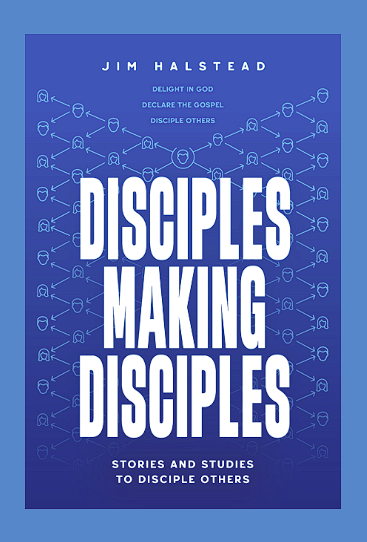
A Biblical Resource to Help Every Christian Fulfill the Great Commission “Go therefore and make disciples of all nations…” – Matthew 28:19 For many Christians, these words of Jesus are both inspiring and intimidating. We know we are called to share the Gospel and help others grow in their faith, yet many believers ask the same questions: These are the very questions that inspired Pastor Jim Halstead to write Disciples Making Disciples: Stories and Studies to Disciple Others, a practical, Bible-centred guide designed to help ordinary Christians confidently share their faith and disciple others. More than just another Christian book, it is a roadmap for believers who want to live out Jesus’ command to make disciples. Why This Book Matters The Great Commission was never intended to be carried out by pastors alone. Jesus gave this calling to every believer. Yet many Christians feel unequipped. Some have never been discipled themselves, while others have a desire to serve but lack practical guidance. Disciples Making Disciples bridges that gap. Rather than presenting complicated theories or ministry programs, the book offers clear biblical teaching, practical application, and real-life testimonies that show how disciple-making can become a natural part of everyday life. Its purpose is simple: To help believers grow closer to Jesus while equipping them to help someone else do the same. Growing Before Going One of the unique strengths of this book is that it begins where every disciple-making journey should begin, your own walk with Christ. Before we can effectively lead others, we must continually grow in our own relationship with Jesus. Through thoughtful Bible studies and personal reflections, readers are encouraged to: As your relationship with Jesus grows, so does your ability to influence others for His Kingdom. Learning Through Real-Life Stories Biblical truth becomes even more powerful when we see it lived out. Throughout the book, Pastor Jim shares personal stories from more than forty years of pastoral ministry, illustrating how God works through ordinary people who are willing to be used by Him. These testimonies remind readers that disciple-making isn’t reserved for theologians or church leaders. God uses everyday Christians. Whether you are a parent, teacher, retiree, student, or business professional, God can use your life to make an eternal difference. A Practical Guide for Making Disciples Many discipleship books explain why discipleship is important. Disciples Making Disciples goes one step further by showing readers how to disciple someone. The book provides practical, biblical guidance that helps believers: This multiplication model reflects the pattern Jesus demonstrated with His own disciples and the model found throughout the New Testament. A Resource for Individuals and Churches One of the reasons this book has become such a valuable resource is its flexibility. It can be used by: Whether read independently or studied together, the book provides practical tools that strengthen both personal faith and church ministry. The Heart Behind the Book Disciples Making Disciples grew out of Pastor Jim Halstead’s lifelong passion for equipping believers. With more than four decades of pastoral ministry and ten years of teaching special education, Jim has spent his life making biblical truth understandable and practical. In 2013, that passion led to the founding of Go & Tell Ministries. After years of prayer and ministry experience, Pastor Jim recognised that many believers genuinely wanted to share the Gospel but lacked confidence and practical resources. Go & Tell Ministries was created to meet that need by equipping churches and Christians through biblical teaching, workshops, books, and discipleship resources that make evangelism and disciple-making approachable for everyone. Evangelism and Discipleship Belong Together Pastor Jim often asks a simple yet thought-provoking question: “Which is more important, sharing the Gospel or discipling others?” His answer is equally memorable: “Which is more important, breathing in or breathing out?” The two cannot be separated. Sharing the Gospel introduces people to Jesus. Discipleship helps them become mature followers of Christ. And mature followers of Christ naturally go on to make disciples themselves. That is the heartbeat of this book. More Than a Book : A Movement of Multiplication The goal of Disciples Making Disciples is not simply to increase knowledge. Its goal is transformation. Imagine what could happen if every believer intentionally invested in just one other person. That one disciple could then disciple another. And another. The Gospel spreads one relationship at a time, just as Jesus intended. This vision of spiritual multiplication has shaped the mission of Go & Tell Ministries and continues to inspire churches around the world to return to Christ’s model of making disciples who make disciples. Are You Ready to Make a Difference? If you have ever desired to grow deeper in your faith, confidently share the Gospel, or help another believer mature in Christ, Disciples Making Disciples: Stories and Studies to Disciple Others is an excellent place to begin. Filled with biblical truth, practical wisdom, and encouraging testimonies, this resource equips ordinary believers to accomplish the extraordinary mission Jesus entrusted to His Church. The Great Commission is not reserved for a select few, it is the calling of every follower of Christ. The question is not whether God can use you. The question is: Who might God be preparing you to disciple next? Get your copy of DISCIPLES MAKING DISCIPLES Book Here:
His Mercy Is Greater: Understanding God’s Mercy and Grace

Have you ever felt like your mistakes were too great to be forgiven? Many people carry guilt, regret, and shame from past choices. The good news of the Gospel is this: God’s mercy is greater than our sins. The Bible gives us many examples of imperfect people whom God used for His glory. One of the clearest examples is King David. Although David loved God deeply, he was far from perfect. His story reminds us that no one is beyond God’s mercy and grace. King David: A Man After God’s Heart King David is remembered as one of the greatest kings in Israel’s history. The Bible even describes him as a man after God’s own heart. Yet David made serious mistakes. He sinned, failed, and made choices that hurt both himself and others. Because God is just and holy, David faced correction and discipline for his actions. But David’s story did not end in failure. Again and again, God showed him mercy. David’s life teaches us an important truth: even when we fall short, God’s mercy is greater than our sins. This same hope is available to us today through Jesus Christ. God’s Mercy Is Greater Than Our Sin The Bible shows us both God’s justice and His compassion. God does not ignore sin, but He also offers forgiveness to those who turn back to Him. As believers, we can hold on to this powerful truth: “God’s mercy was greater than David’s sins. Through faith in Jesus, His mercy is greater than our sins as well.” No matter what we have done, God’s mercy is available to those who seek Him with sincere hearts. What Is Mercy? Mercy is often confused with grace, but they are not exactly the same. Mercy means not receiving the punishment we deserve. Because of sin, humanity deserves judgment. Yet God, in His great love, offers forgiveness instead of condemnation to those who trust in Him. Mercy is God’s compassion reaching into our brokenness and offering us a second chance. What Is Grace? While mercy withholds punishment, grace gives us something wonderful that we do not deserve. Grace is receiving blessings, forgiveness, and salvation as gifts from God. We cannot earn God’s grace through good works. Salvation comes through faith in Jesus Christ alone. Mercy keeps us from what we deserve. Grace gives us what we could never earn. Together, mercy and grace reveal the incredible love of God. The Importance of Repentance God’s mercy is freely given, but it calls for a response from us. The life of David shows us the importance of repentance. After his failures, David humbled himself before God and turned away from his sin. Repentance is more than simply saying sorry. True repentance means changing direction. It means turning away from sin and turning toward God with a sincere heart. David’s willingness to repent restored his relationship with God. In the same way, when we confess our sins and seek God’s forgiveness, we experience His mercy and restoration. This promise is at the heart of the Christian faith. Living in the Light of God’s Mercy When we understand how much mercy God has shown us, our natural response should be gratitude and praise. Mercy and grace are gifts we can never earn. They flow from the love and generosity of our Heavenly Father. Because of this, God is worthy of our praise. We worship Him through prayer, worship, service, and by living lives that honor Him. Every day becomes an opportunity to thank Him for His faithfulness. Showing Mercy and Grace to Others As followers of Christ, we are not only called to receive mercy, we are called to share it. God’s mercy should transform the way we treat other people. Because we have been forgiven, we should forgive others. Because we have received grace, we should extend grace to those around us. A life changed by Christ reflects His love, compassion, and kindness. Four Steps to Embrace God’s Mercy 1. Acknowledge Your Need Recognize that all people fall short and need God’s mercy. 2. Repent Turn away from sin and seek God’s forgiveness. 3. Embrace Grace Accept the gift of salvation and allow God to transform your heart. 4. Demonstrate Mercy Show grace, kindness, and forgiveness in your relationships with others. Final Thoughts: His Mercy Is Greater The story of King David reminds us that God specializes in redemption. Human weakness does not have the final word, God’s mercy does. Through Jesus Christ, forgiveness, restoration, and hope are available to everyone who believes. No matter your past, God’s mercy is greater. No matter your failures, God’s grace is sufficient. As we walk through life, may we be guided by the assurance of God’s love and inspired to reflect His mercy in the world around us. Above all, let us never forget this powerful truth: “Mercy is not getting the punishment you do deserve. Grace is getting the blessing you don’t deserve.” And because of Jesus Christ, His mercy is greater.
Jesus the Ultimate Servant: What Philippians 2 Teaches Us About Serving God

One of the most powerful passages in Scripture is found in Philippians chapter 2. Here we see a breathtaking picture of Jesus Christ, fully God, yet willingly choosing humility. Rather than holding tightly to His divine position, He took on the nature of a servant and entered the world in human form. This example of Christ challenges us to rethink what true greatness looks like. In a culture that often celebrates status, recognition, and personal achievement, Jesus demonstrates a completely different path: the path of humble service. Philippians 2 – NIV 5 In your relationships with one another, have the same mindset as Christ Jesus: 6 Who, being in very nature God, did not consider equality with God something to be used to his own advantage;7 rather, he made himself nothing by taking the very nature[b] of a servant, being made in human likeness.8 And being found in appearance as a man, he humbled himself by becoming obedient to death – even death on a cross! Jesus: The Perfect Example of Servanthood Philippians 2 reveals the heart of Jesus. Though He possessed all authority and glory, He willingly humbled Himself for the sake of humanity. His life was marked by obedience, sacrifice, and service. As we reflect on this passage, we are invited to examine our own hearts and ask whether we truly view ourselves as servants of God. These words challenge us to reflect on our calling: “Do we realize that we are called to be servants or slaves to God? He is our Master, he is our King. We are his servants to serve Him.” This encourages us to consider our identity as followers of Christ. If Jesus willingly served, then serving should also be central to our walk with Him. Rather than pursuing our own agendas, we are called to seek God’s will and faithfully carry out His purpose. Serving for God’s Glory, Not Our Own A servant’s focus is not on personal recognition but on honoring the one they serve. The Christian life is not ultimately about building our own reputation, fulfilling our own ambitions, or receiving praise from others. Instead, our lives are meant to point people toward Jesus. At the heart of Christian discipleship is this reminder: “It’s not about our purpose, our glory. It’s about his glory and his purpose.” This perspective transforms the way we approach ministry, work, relationships, and daily life. When God’s glory becomes our priority, our actions take on eternal significance. We begin to see every opportunity as a chance to reflect Christ and advance His kingdom. Embracing Our Calling as Servants of Christ The call to serve is not reserved for pastors, missionaries, or church leaders. Every believer has been called to live as a servant of God. Together, let us embrace this calling by: Recognizing Our Role We are part of God’s greater story. Understanding our position as servants helps us walk in humility and dependence on Him. Shifting Our Focus When we place God’s purposes above our own ambitions, we begin to experience the joy and fulfillment that come from living for something greater than ourselves. Becoming Messengers of His Glory As followers of Christ, we are called to share the good news of the Gospel and point others toward God’s grace, mercy, and love. As we consider our role in God’s kingdom, this challenge speaks clearly: “Do you see yourself as a servant of God, here to do the work for the glory of God? Church, let’s go and tell the story of his glory.” Living Out a Servant’s Heart Every Day The truths of Philippians 2 are meant to be lived, not simply admired. The question is not whether Jesus served, but whether we will follow His example. Here are a few practical ways to cultivate a servant-hearted life: Begin with Prayer Ask God to align your heart with His. Invite Him to guide your decisions, shape your priorities, and reveal opportunities to serve. Look for Opportunities to Serve Serving often begins in simple ways: Share the Gospel Every believer has a story to tell. Look for opportunities to share God’s goodness, His faithfulness, and the hope found in Jesus Christ. Following the Example of Jesus Philippians chapter 2 reminds us that true greatness is found in humility. Jesus, the King of Kings, chose the path of a servant so that we might know the love and salvation of God. As we follow Him, let us commit ourselves to serving with the same heart He demonstrated. Let us seek God’s glory above our own, faithfully carry out His purpose, and boldly share the story of His grace with others. Servanthood is not a burden, it is a privilege. It is an opportunity to reflect the character of Christ and participate in God’s work in the world. May we continually embrace the call to serve and, together, go and tell the story of His glory.
Let Your Light Shine (Matthew 5:16) – From the St. Augustine Lighthouse

Have you ever stood at the foot of a mighty lighthouse, feeling the breeze and hearing waves crash against the rocks? Let’s explore what it truly means to let your light shine before others in the spirit of Matthew 5:16. Lighthouse Inspiration: Seeing the Gospel Through a Beacon St. Augustine lighthouse makes me think of Matthew 5:16: ‘In the same way, let your light shine before men so they may see your Father in heaven.’ In the same way that lighthouse is used to save people’s lives from crashing against the shore.” When you see a lighthouse – it stands tall, steady, and bright – you can’t help but notice it. It cuts through the darkness and fog, offering guidance and hope for ships at sea. That’s exactly how Jesus calls us to live. Whether we realize it or not, our faith – our “light” – has an impact. Like a lighthouse, we have the power to steer others away from danger, helping guide them toward the safe harbor of God’s love. “Let your light shine before men so they may see your good works and glorify your Father in heaven.”– Matthew 5:16 (NIV) What a straightforward call, but also a huge challenge! If we think about it – lighthouses are never turned off. They shine, even if nobody’s around. As followers of Jesus, we are called to shine with the same consistency and hope. Even when it feels lonely or unnoticed, our Lord sees our light. Living the Gospel: Praying, Studying, and Sharing So what does it look like to “shine your light”? 1. Study the Gospel To be a beacon, you have to be grounded in something solid – like how every lighthouse sits on a firm foundation. For us, that’s the Gospel. Dig into God’s Word daily. 2. Pray Boldly Prayer lights a fire in our soul, just like the lamp atop the lighthouse. When we ask God to shine in us and through us, He expands our reach. 3. Share the Gospel The lighthouse wasn’t built for itself, it’s built for the lost ships. We have incredible news to share with the world: Jesus saves. Sometimes sharing is just telling your story, or inviting someone to church, or sending a text saying, “Praying for you.” “Let your light shine. Our lives are the first Bible some people may ever read.”— Pastor Jim Ways to Share: 4. Make Disciples Invest in others by walking beside them on their Jesus journey. It can be a friend, a family member, or a small group at church. Remember, discipleship is about relationships, not perfection. Keep Your Light Lit: Practical Tips for Everyday Living Don’t Let the Fog Dull Your Light Some days are cloudy, rainy, or foggy, life is like that. You might feel small, tired, unnoticed, or weak. Remember, the light doesn’t depend on the weather; it’s steady because of the source. Stay plugged into Jesus; the true Light of the world. Reflection Questions Encouragement for the Journey You are not alone as you walk the shoreline, shining bright for Jesus. He is with you – guiding, filling, encouraging, and helping you stand firm. “The lighthouse stands whether anyone sees it or not. In the same way, let your light shine – not for your own glory, but for your Father in heaven.” May your week be blessed. Keep shining brave and unafraid. And if you ever wonder if it matters, remember: someone may be depending on your light today to find their way home to God.
Finding Joy in Everyday Life: Living for God’s Glory in the Simple Moments

Scripture Reading:First Kings chapter 4:20: Have you ever paused with a warm cup of coffee in your hands and realized that even ordinary moments can be gifts from God? God delights when His people enjoy the life He has given them. From meals shared with loved ones to conversations over coffee, everyday moments can become acts of worship and opportunities to reflect God’s glory. In a world filled with stress, pressure, and endless distractions, this message is refreshing. God never intended life to be lived without joy. Instead, Scripture reminds us that happiness, gratitude, and fellowship are part of His good gifts to us. So grab your favorite cup of coffee, slow down for a moment, and let’s explore what it means to live joyfully for God’s glory. Joy in Everyday Life “The people of Judah and Israel were as numerous as the sand on the seashore; they ate, they drank and they were happy.” – 1 Kings 4:20 What a beautiful picture of God’s blessing. People gathered together, shared meals, enjoyed fellowship, and experienced happiness in everyday life. Their joy wasn’t rooted in wealth or success alone – it was rooted in God’s goodness. Sometimes Christians believe being spiritual means being serious all the time. But the Bible shows us that joy and celebration are also part of God’s design. Ecclesiastes 3:12-13 says: “There is nothing better for people than to be happy and to do good while they live, that each of them may eat and drink and find satisfaction in all their toil. This is a gift of God.” God gives us ordinary joys as reminders of His love. God’s Gift Is Ordinary Joy Many of life’s greatest blessings are simple: These moments may seem small, but they matter deeply to God. When we slow down enough to recognize His goodness, gratitude grows in our hearts. Joy is not something we should feel guilty about – it is part of living in God’s presence. Why Does God Want Us to Be Happy? Joy Reflects Gratitude Enjoying God’s gifts with thankful hearts becomes an act of worship. Every meal, every conversation, and every moment of rest can point us back to Him. Joy Is a Testimony When Christians live with peace and gratitude, it shows others the goodness of God. Joyful believers reflect the heart of a loving Father. Relationships Matter to God Shared meals and meaningful conversations strengthen relationships and build Christian community. Living for God’s Glory “Church, let’s go and tell the story of His glory.”God’s blessings are not only for our enjoyment, they are opportunities to point others toward Him. Living for God’s glory means recognizing that even ordinary moments belong to Him. Whether you are working, serving your family, helping a friend, or sharing coffee with someone, your life can reflect God’s goodness. Practical Ways to Live for God’s Glory Be Thankful Daily Start each day by thanking God for simple blessings: Gratitude changes the way we see life. Share Your Story Your testimony does not need to be dramatic to matter. Sometimes the most powerful stories are the simple ones: Do Good While You Live Ecclesiastes reminds us to “do good while we live.” Small acts of kindness can have a big impact. Invite Others Into Fellowship Hospitality creates opportunities for encouragement and connection. Sometimes a simple meal or cup of coffee can open the door to meaningful conversations. Bible Reflections on Joy Psalm 16:11 “You make known to me the path of life; you will fill me with joy in your presence.” True joy comes from God’s presence. John 10:10 “I have come that they may have life, and have it to the full.” Jesus wants us to experience abundant life ,not just survive, but truly live. Genesis 1:31 “God saw all that He had made, and it was very good.” God delights in His creation, including you. Simple Ways to Enjoy God’s Everyday Gifts Here are practical ways to embrace joy in daily life: A Truth Worth Remembering “One of the great gifts of God is enjoying the life He’s given us as we live for His glory.” This truth changes how we approach daily life. God is not distant from ordinary moments – He is present within them. Why This Message Matters Today Modern life often leaves people exhausted and constantly striving for more. Many Christians feel pressure to do big things for God while forgetting that He also calls us to enjoy His presence and His gifts. Pastor Jim’s devotion reminds us that joy matters to God. The Christian life is not only about sacrifice – it is also about gratitude, fellowship, peace, and delight in God’s goodness. When believers live with genuine joy, the world notices.
Coffee Devo | Go & Tell: Sharing the Gospel with Honesty and Trust

Welcome to another edition of Coffee Devo, where we take a moment to slow down, reflect, and talk honestly about following Jesus in everyday life. Today’s conversation comes from Kyoto Congregational Church in Jamestown, New York, featuring insights from Pastor Jim and Steve, a recent attendee of the Go & Tell Evangelism Workshop. Whether you’re a new believer or someone who’s been walking with Christ for years, this is a timely reminder: sharing the gospel isn’t about pressure – it’s about truth, trust, and transformation. Honest Conversations: What Evangelism Really Means Evangelism isn’t always easy. Sometimes, when we witness to others, we get so eager for them to accept Jesus that we rush through vital steps. Here’s how Steve explained his biggest takeaway from the recent workshop: “The main thing that convicted me today was when we’re witnessing to others and trying to lead them to Christ that sometimes we are trying to force people into saying the salvation prayer instead of letting them realize that they need to see their sin for what it is first so they realize why they’re repenting and wanting to accept Jesus in their life.” This is an honest moment many of us can relate to. If we’re not careful, evangelism can turn into a checklist – rather than a personal journey, where each person feels the weight of their decision and truly understands the grace that God offers. Letting the Holy Spirit Work: Why We Can’t Force Salvation Here’s some truth – no matter how clear we are, or how good our intentions, we can’t transform someone’s heart on our own. Pastor Jim reminds us: “We are called to share the gospel of Jesus Christ in word and deed. But also the Holy Spirit is called to convict, to lead people to repentance of their sin, to open up their ears, to hear their mouth, to confess that Jesus Christ is Lord.” It takes both our willingness to share, and the Holy Spirit’s power to open eyes and soften hearts. Three Things the Holy Spirit Does: If you’ve ever tried to lead a friend or a stranger through a gospel conversation and felt pressure to see “results,” you’re not alone. Good news: It’s not on us to save people. Our job is to tell our story and God’s story. The rest? That’s in God’s hands. Try These Simple Steps in Your Next Gospel Conversation: The Gospel Breaks Through in Word and Deed It’s pretty simple. We are called – everyday, in whatever place God puts us, to “go and tell.” That doesn’t just mean sharing a gospel track or a quick prayer and moving on. It’s how we live. It’s how we love people honestly. “Church. We need to go and tell. Let’s share the gospel of Jesus Christ and make disciples.” What does this look like? Evangelism is not an event – it’s a lifestyle. Jesus’ Example: Compassion Comes Before Conversion In John 4, when Jesus meets the woman at the well, He doesn’t rush the conversation. He engages her, listens, and reveals truth with compassion. He doesn’t manipulate the moment – He ministers within it. Let’s follow His example: For Every Believer, Not Just Leaders This message isn’t just for those with the “gift” of evangelism or for pastors behind a pulpit. It’s for every follower of Jesus. Our neighborhoods, schools, and workplaces are full of people searching for hope. Why We Struggle With Evangelism Let’s be honest: But God uses ordinary conversations to do extraordinary things. If you keep showing up, listening, and speaking about the difference Jesus makes, He’ll use you. What NOT to Do: Avoiding “Forced” Faith Steve’s insight is crucial. When we lean on formulas or try to “close the deal,” people may say yes, but don’t really understand what they’re saying yes to. That isn’t saving faith. Instead, aim for: Key Scriptures for Honest Evangelism Let’s root this approach in the Word: “We are called to share the gospel of Jesus Christ in word and deed. But also the Holy Spirit is called to convict…to open up their ears…to confess that Jesus Christ is Lord.” Being Part of Someone’s Story Not every conversation leads to immediate transformation, and that’s okay. Sometimes you’re planting a seed. Other times, you’re watering one already planted. Either way, your role matters. Remember: Take the Next Step You don’t need to have all the answers to begin. Start small: You are called to go and tell.
Finding Rest in God: A Coffee Devotional on Psalm 91:1
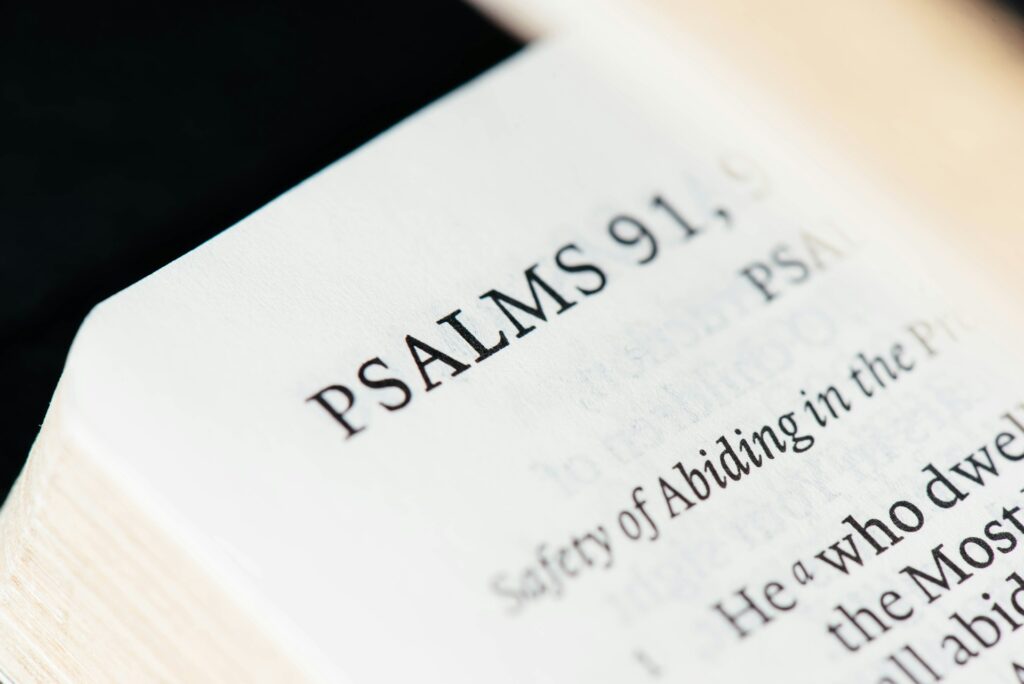
“He who dwells in the shelter of the Most High will find rest in the shadow of the Almighty.” – Psalm 91:1 In a world filled with constant noise, endless to-do lists, and digital distractions, true rest can feel out of reach. Yet Scripture offers a powerful promise: rest is not something we chase – it’s something we find in God’s presence. In this devotional, we’ll explore what it means to dwell with God, how to overcome distractions, and how spending time in His Word leads to lasting peace and purpose. What Does It Mean to Dwell in God’s Presence? Psalm 91:1 invites us into something deeper than occasional connection – it calls us to dwell. To dwell means to stay, to remain, to make a home. It’s not about visiting God when life gets hard or checking in on Sundays. It’s about building your life around His presence. Think about the comfort of coming home after a long day – the sense of safety, belonging, and rest. That’s the kind of relationship God offers you every single day. God’s shelter isn’t temporary. It’s constant, steady, and always available. Are You Truly Dwelling With God? It’s easy to assume we’re close to God, but honest reflection tells a deeper story. Ask yourself: Many of us only seek God in moments of crisis or during church services. But God is inviting you into something more – a daily, ongoing relationship where His presence becomes your resting place. Reflection Questions Take a few quiet moments to reflect: Write your thoughts down or bring them to God in prayer. Awareness is the first step toward deeper connection. The Battle for Your Attention There’s a powerful truth worth remembering: The Bible is the only book where the Author shows up when you read it. Every time you open Scripture, God is present – ready to speak, guide, and comfort you. But here’s the challenge: we live in a world designed to distract us. Common Distractions That Pull Us Away These distractions don’t just fill our time, they drain our attention and pull us away from the very place where we find peace. Spiritual rest doesn’t happen by accident. It requires intention. How to Find True Rest in Jesus Real rest goes deeper than physical relaxation. It’s not just about sleep, downtime, or escaping responsibilities. True rest is found in Jesus. It’s the deep, soul-level peace that comes from knowing: This kind of rest is available to you right now – and it’s found in simple, intentional practices: Ways to Experience God’s Rest When you slow down and create space for God, His peace begins to replace your anxiety. Delighting in God Leads to Purpose Resting in God doesn’t make you passive – it transforms you. When you spend time in His presence, something begins to shift internally. You become more grounded, more patient, and more aware of others. And naturally, that inner transformation begins to overflow. When you delight in Jesus, you can’t help but share Him. Living It Out: Sharing God’s Love With Others Your time with God is not just for you – it’s meant to impact the people around you. Declaring the gospel doesn’t always mean preaching. Often, it looks like everyday moments of love and connection. Simple Ways to Share Your Faith Discipleship begins with relationship. As you walk closely with God, you’ll naturally help others do the same. Practical Steps to Dwell With God Daily Building a lifestyle of dwelling with God doesn’t require perfection – just consistency. Here are simple ways to make time with God part of your everyday life: 1. Start Your Day With God Before checking your phone, take a moment to connect with Him. Even a short prayer or a single verse can set the tone for your day. 2. Choose a Consistent Time and Place Whether it’s morning coffee, a quiet moment in your car, or before bed – find a rhythm that works for you. 3. Keep It Simple You don’t need a long routine. A verse, a prayer, and an honest conversation with God is enough. 4. Remember Who You’re Meeting The Bible isn’t just a book – it’s a living encounter with God Himself. 5. Minimize Distractions Put your phone on silent. Step away from noise. Give God your full attention, even if only for a few minutes. 6. Share What You Learn Let what God teaches you encourage others. Your growth can become someone else’s breakthrough. A Picture of Spiritual Rest Imagine yourself in a quiet, peaceful place – a valley filled with shade, gentle light, and stillness. You’re not striving, rushing, or worrying. You’re simply at rest. This is what it means to live in the “shadow of the Almighty.” God’s peace isn’t dependent on perfect circumstances. It’s available right in the middle of your everyday life. Conclusion: Choose to Dwell With God Today As you move through your day, remember this simple truth: God is inviting you to dwell with Him. Not just for a few minutes – but as a way of life. When you build your life around His presence, everything begins to change. Peace replaces anxiety. Purpose replaces confusion. Rest replaces striving. So today, make the choice to pause. Open your Bible. Turn your heart toward God. You won’t just find rest – you’ll find the life your soul has been longing for. What is one small, practical step you can take today to spend intentional time with God and what might change in your life if you made that a daily habit?